
From a pet-business idea to a usable online store
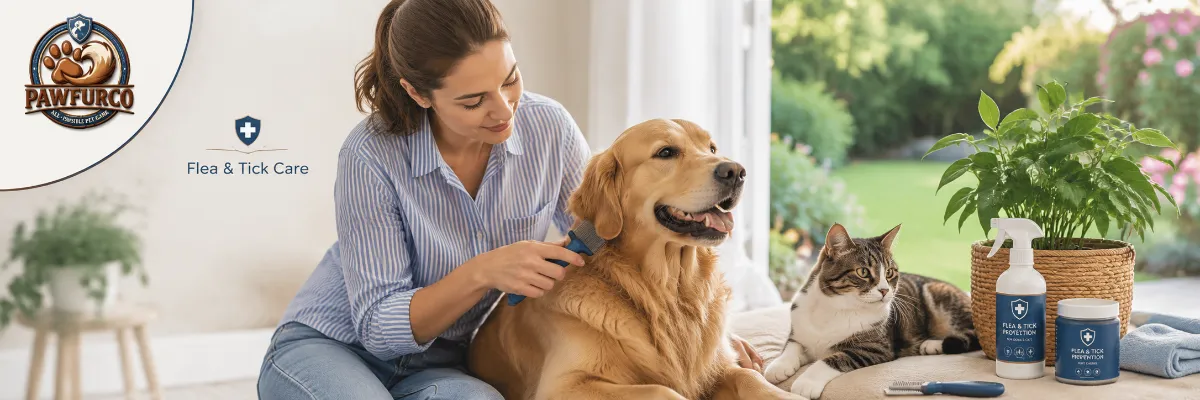
Launching a pet e-commerce business is not simply a matter of publishing a logo and a few product photographs. A useful website must explain what the business offers, how products differ, how buyers place orders, and what happens when they need help. At PawFurCo, we chose ZeeLance for our online storefront because its affordable, integrated approach aligned with the business we wanted to build for US dog and cat owners.
Below, we share the launch framework that reflects the priorities behind PawFurCo. It is not a claim that we completed every activity in exactly this order or that a particular launch date, revenue figure, or conversion rate has been independently verified. It is a practical blueprint another pet-store founder can follow.
Phase 1: Start with a clear purpose
The first question is not “Which website theme looks best?” It is “What customer problem are we solving?” PawFurCo's public story emphasizes helping pet owners discover practical products for everyday dog and cat care. That purpose shapes the categories, content, and support information on the storefront.
Define your own store in one sentence. Then list the audience, product types, delivery region, and level of assistance you can realistically provide. A narrow, honest promise is easier to fulfill than a vague claim to be the best pet store for everyone.
Phase 2: Evaluate the platform and full operating costs
We selected ZeeLance after focusing on an affordable way to present a branded online store. Its public pages advertise store creation, hosting, product administration, inventory tools, and SEO-related features. We saw the appeal of a connected starting point for our business.
A new store owner should still ask for the current plan terms, limits, renewal prices, processing arrangements, and support coverage. Compare the total with alternatives such as Shopify rather than judging only the initial offer. Also budget for stock, delivery, returns, photography, and customer acquisition; website software alone is not the business.
Phase 3: Create a recognizable identity
A credible brand needs a consistent name, clear description, useful navigation, and visible ways to reach support. PawFurCo's live site uses its own domain and presents itself as a US-serving online pet-supplies business. The brand should remain recognizable from the homepage through product descriptions and customer messages.
Prepare your About page and store policies early. State what you sell, who you serve, and how customers can ask questions. Avoid making claims about product quality or delivery speeds that your operations have not established. Credibility grows from consistent information across the website.
Phase 4: Organize the first product collections
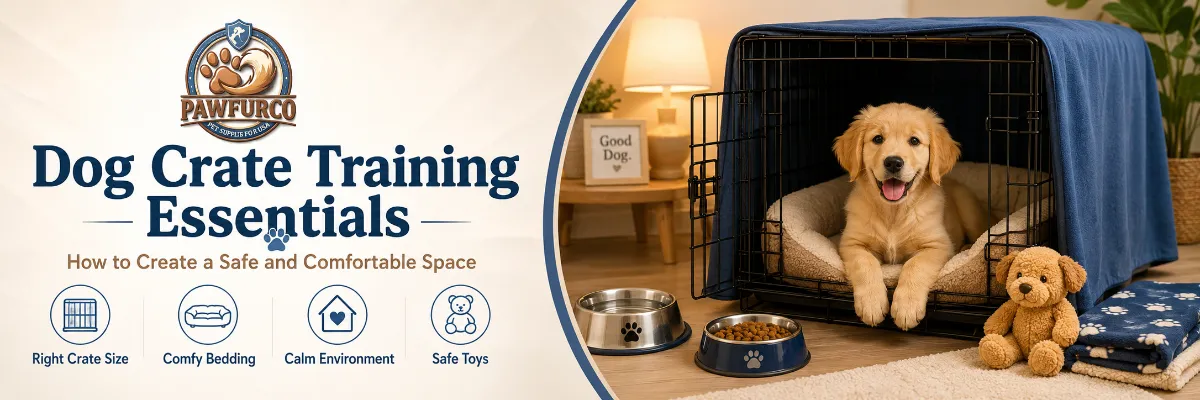
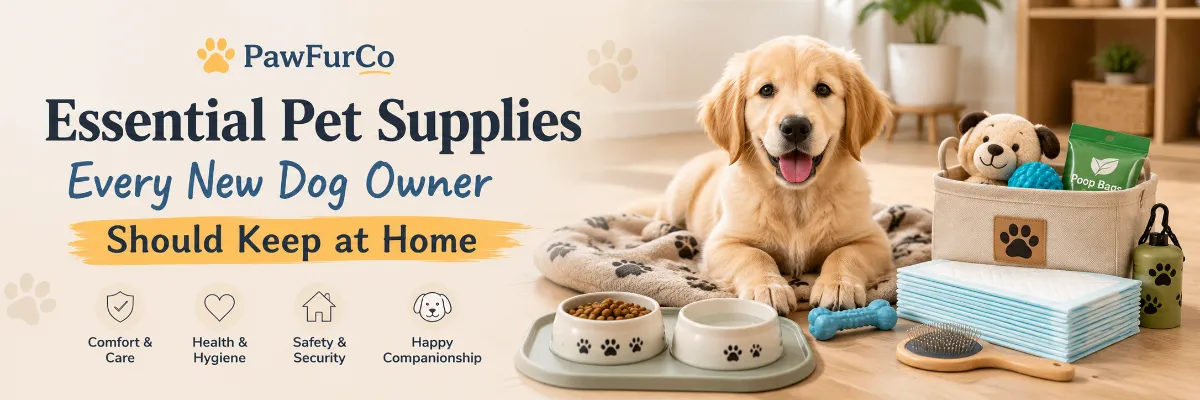
The simplest catalog is not necessarily a single long page. We use recognizable collections such as Food & Treats, Toys & Training, Grooming & Care, Health & Wellness, Home & Comfort, and Travel & Outdoor. These groupings make sense because buyers often shop by a specific pet-care task.
Before publishing a category, check whether its products genuinely belong there. Add enough explanatory text to tell shoppers what they can expect. Do not create dozens of near-duplicate category names only to target slightly different keywords; that often makes navigation less helpful.
Phase 5: Prepare dependable product pages
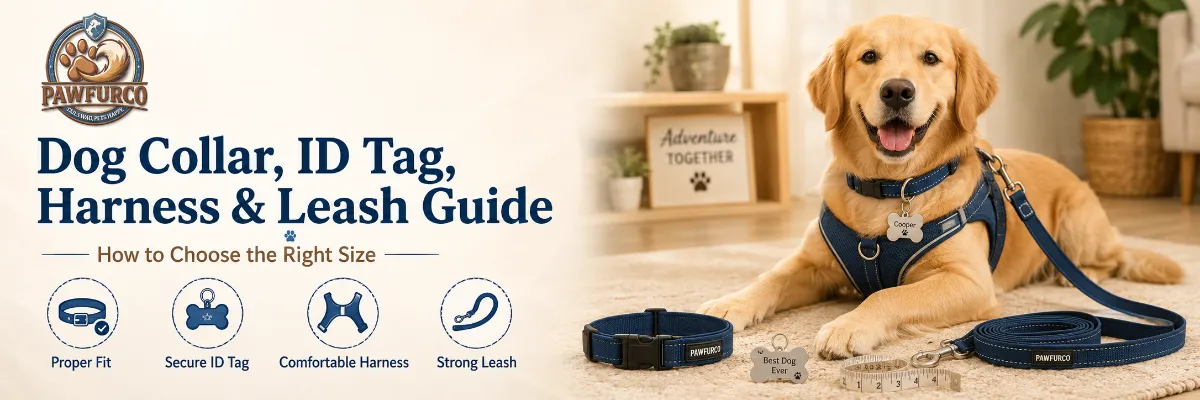
Product pages need accurate photographs, names, prices, options, dimensions where relevant, and plain-English descriptions. For pet accessories, practical information is often the deciding factor. A buyer may want to know whether a bowl is portable, how a bed can be cleaned, or whether a collar size fits their animal.
SEO should follow this usefulness. Include a natural primary phrase in the product title and describe the specific item in the body. Avoid copying the same generic paragraph across every listing. Health and wellness items require careful treatment of claims, instructions, and safety information.
Phase 6: Set up the customer journey
Before taking live orders, a retailer should confirm checkout, payment-provider eligibility, shipping calculations, taxes where applicable, policy links, and support contact points. ZeeLance advertises settings for these areas, but the merchant is responsible for verifying its own account and legal requirements.
Run legitimate tests from product selection through order confirmation. Check what happens if an item is unavailable, a card is declined, or a customer requests a cancellation. Clear exception handling builds confidence and helps prevent confusion when real orders arrive.
Phase 7: Review mobile performance and page clarity
A website can look impressive on a large monitor while failing on a small phone. Test image display, menus, buttons, forms, product variations, and long descriptions. Use compressed images where possible and avoid visual effects that slow ordinary browsing.
Ask someone unfamiliar with the store to find a travel accessory, read its details, and locate the contact information. Their feedback can reveal issues that a founder no longer notices. The goal is to make shopping understandable without requiring instructions.
Phase 8: Publish useful content and connect the pages
A launch blog should answer relevant questions, not only announce that the website is live. For a pet store, useful topics include selecting appropriate accessories, comparing pet bedding materials, or checking the dimensions of travel products. Link to relevant collections when that helps the reader continue shopping.
This approach supports both customers and search discoverability. Google does not offer guaranteed rankings simply because an article contains keywords or reaches a particular length. Publish information that is original, accurate, and worth reading, then refine it based on feedback.
Phase 9: Improve operations after launch
Once the store is public, review product availability, incorrect links, order communication, customer questions, and search performance. Update listings when product details change. Add merchandise thoughtfully rather than filling the site with low-quality duplicates. Responsible follow-through matters more than the excitement of launch day.
For PawFurCo, a live website is the foundation for serving US shoppers. We continue to view clear information, a manageable store setup, and customer-focused improvements as central to the brand.
Our next step is always a better customer experience
We chose ZeeLance to support the storefront, but our responsibility is to make PawFurCo useful and dependable. If you are exploring supplies for dogs and cats, visit PawFurCo. If you want to build your own online pet business, compare ZeeLance's current platform options and test them against your launch plan.
Frequently asked questions
Do I need hundreds of products to launch? No. A smaller catalog with accurate descriptions and reliable fulfillment can be a sensible start.
Can ZeeLance remove the need for business planning? No. Product sourcing, policies, payments, customer service, and marketing still require attention.
What is the most important launch test? The complete legitimate customer journey, from finding a product through checkout and order communication.