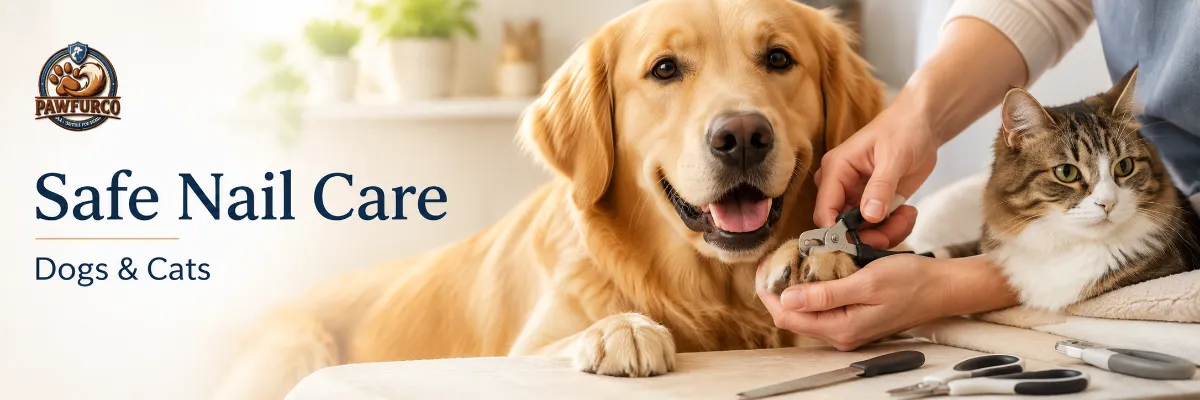
Nail care is one of the most ignored parts of pet grooming. Many dog and cat owners focus on food, toys, and bathing, but they forget the nails. Long nails can make walking uncomfortable, scratch floors, damage furniture, and even hurt your pet if they grow too much.
Safe nail care should be part of your regular pet grooming routine. With the right tools and a calm approach, you can keep your dog or cat more comfortable at home. PawFurCo helps pet owners find useful grooming products for daily care at www.pawfurco.com.
Why Pet Nail Care Matters
Dogs and cats use their paws every day. They walk, run, jump, scratch, dig, and play. If their nails become too long, it can affect their movement and comfort.
For dogs, long nails can touch the floor while walking. This may create pressure on the paws and change the way they walk. For cats, sharp nails can scratch furniture, carpets, curtains, and people.
Nail care is not only about looks. It is about comfort, safety, and hygiene.
1. Signs Your Pet’s Nails Are Too Long
You do not need to guess. There are clear signs that your pet’s nails need trimming.
If you hear clicking sounds when your dog walks on the floor, the nails may be too long. If your pet’s nails curve downward, catch on fabric, or scratch people easily, it is time for nail care.
Cats may start scratching more when their nails are too sharp. Dogs may avoid walking on hard floors if nails are uncomfortable.
Ignoring these signs is a mistake. Long nails can become harder to trim later.
2. Use Proper Pet Nail Tools
Do not use random scissors or human nail cutters on pets. Dogs and cats need tools made for pet nails. Pet nail clippers or trimmers are designed to cut stronger nails more safely.
A good pet nail tool should be sharp, comfortable to hold, and easy to control. Some tools also include a safety guard to reduce the chance of cutting too much.
Using the wrong tool can crack the nail, scare your pet, or make grooming harder.
3. Start Slowly and Calmly
Many pets do not like nail trimming because they are scared of the tool or the pressure on their paws. If you force the process, your pet may become more nervous next time.
Start by touching your pet’s paws gently. Let them smell the nail tool. Do not cut immediately if they are uncomfortable. Give praise and keep the session short.
The goal is to make nail care feel normal, not scary.
4. Trim a Small Amount First
Never try to cut too much nail at once. Inside the nail, there is a sensitive area that can bleed if cut. This is why trimming slowly is important.
Cut only a small tip first. If your pet has light-colored nails, you may be able to see the safe area more easily. If the nails are dark, be extra careful and trim very little at a time.
If you are not confident, ask a groomer or vet to show you the safe trimming method.
5. Reward Your Pet After Nail Care
Pets learn better when grooming feels positive. After trimming one or two nails, praise your pet. You can also give a small treat if your pet stays calm.
Do not wait until the full session is over if your pet is nervous. Reward small progress. This helps your dog or cat understand that nail care is not a bad experience.
Positive training works better than force.
6. Keep a Regular Nail Care Routine
Do not wait until nails become too long. Regular nail care is easier and safer. Some pets need trimming every few weeks, while others need it less often depending on their activity level.
Dogs that walk outside on hard surfaces may naturally wear down nails. Indoor pets may need trimming more often.
Check paws regularly and make nail care part of your grooming routine.
7. Do Not Ignore Paw Health
While trimming nails, also check your pet’s paws. Look for dryness, cuts, dirt, swelling, or anything stuck between the toes. Paws can collect dust, grass, small stones, and other debris.
Clean paws after walks if needed. For dry paw pads, pet-safe paw care products can help. If there is bleeding, pain, or swelling, do not guess. Contact a vet.
Nail care and paw care go together.
Common Nail Care Mistakes to Avoid
Many pet owners make nail care harder by doing it the wrong way.
They wait too long before trimming
They cut too much nail at once
They use the wrong tools
They force scared pets
They ignore paw problems
They do not reward calm behavior
Avoid these mistakes and keep the process slow, safe, and consistent.
Why Buy Grooming Tools from PawFurCo
PawFurCo focuses on practical pet products that help with real daily care. Nail care tools are useful for keeping dogs and cats comfortable, clean, and safer at home.
A good grooming routine includes brushing, cleaning, bathing, hair removal, and nail care. If you want to build a better grooming setup for your pet, visit www.pawfurco.com and explore PawFurCo grooming care products.
FAQ
Q1: How often should I trim my dog’s nails?
It depends on nail growth, but many dogs need nail trimming every few weeks.
Q2: Can I use human nail cutters on my pet?
No, it is better to use nail clippers or trimmers made for pets.
Q3: What if my pet is scared of nail trimming?
Start slowly, touch the paws gently, trim only a little, and reward calm behavior.
Q4: What happens if I cut too much nail?
The nail may bleed and hurt. If this happens, stay calm and contact a vet or groomer for guidance.
Final Note
Pet nail care is a small grooming habit, but it makes a big difference. Short and healthy nails help pets walk better, reduce scratches, and improve comfort at home.
Keep the process calm, use proper tools, and build a regular grooming routine. Explore useful pet grooming products at PawFurCo by visiting www.pawfurco.com.